Step-by-Step Guide to the Aluminum Fabrication Process
Step-by-Step Guide to the Aluminum Fabrication Process
A finished aluminum gate, railing, or equipment screen may look simple once it is installed. It fits the space, suits the property, and does what it is supposed to do.
But before it reaches that point, there is a process behind it.
Aluminum fabrication involves planning, measuring, cutting, shaping, assembling, finishing, and installing aluminum materials to create a finished product. For custom exterior projects, each step matters. A small mistake in measurement, design, welding, or installation can affect how the final product looks and performs.
For homeowners, contractors, business owners, and property managers in Sarasota, understanding the aluminum fabrication process can help you know what to expect before starting a project.
Whether you need a custom aluminum gate, railing, equipment screen, or another exterior aluminum feature, here is how the process usually works.
What Is Aluminum Fabrication?
Aluminum fabrication is the process of turning aluminum materials into a finished structure or product.
This may include cutting aluminum to size, shaping it, welding pieces together, preparing the surface, applying a finish, and installing the completed structure on-site.
In residential and commercial properties, aluminum fabrication is often used for:
- Custom gates
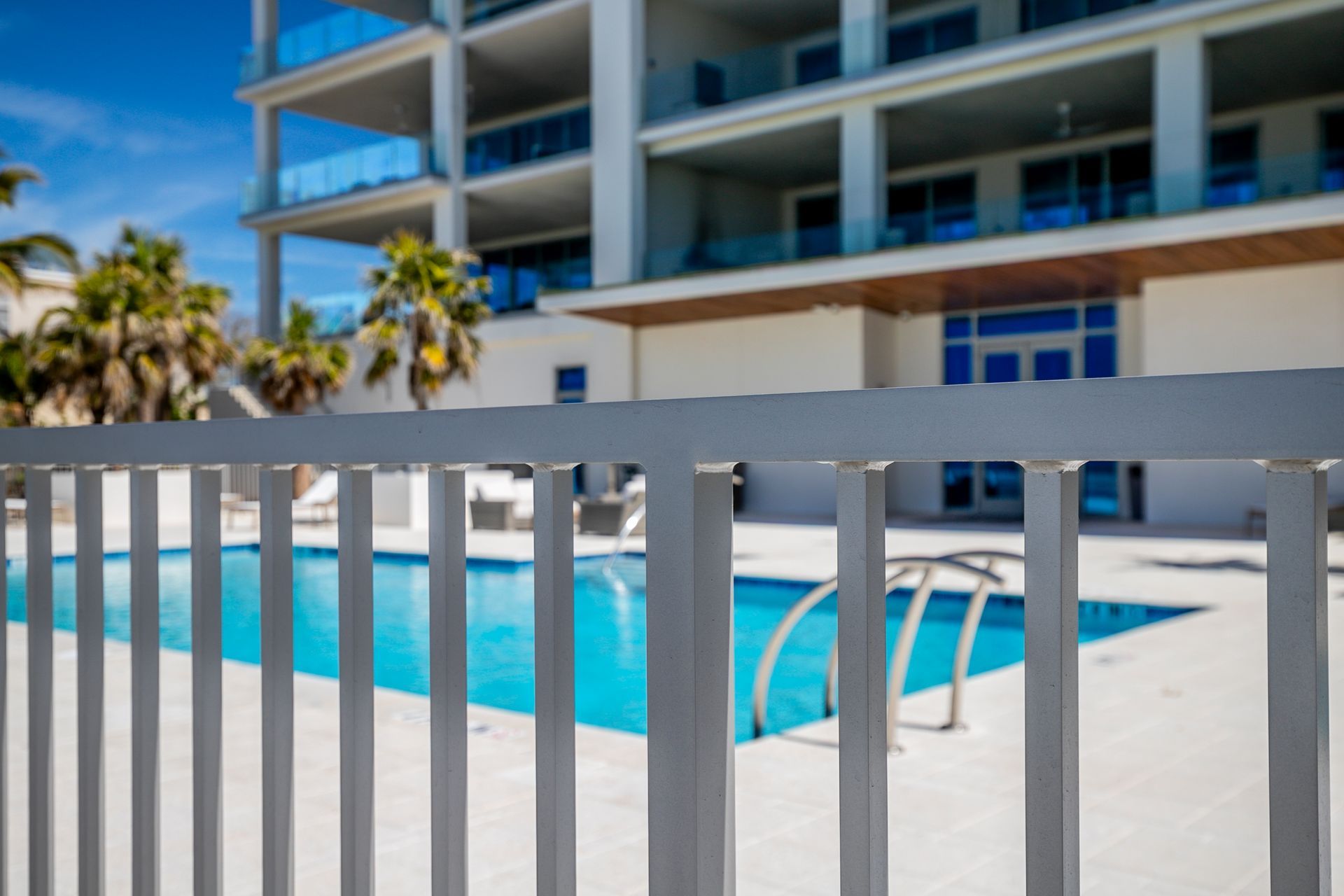
- Aluminum railings
- Equipment screens
- Frames
- Panels
- Exterior architectural features
The process is not the same for every project. A small railing section will not require the same planning as a large custom gate or equipment screen. That is why proper measurement, design, and fabrication matter from the beginning.
Why the Fabrication Process Matters
Aluminum fabrication is not only about making something out of metal. It is about making something that fits the property, serves a purpose, and withstands regular use.
A gate needs to open and close properly. A railing needs to be secure and aligned. An equipment screen needs to cover outdoor units without blocking access or airflow.
If the process is rushed, problems can show up later. The product may not fit correctly. The finish may not look clean. The frame may not be aligned. The installation may take longer than expected.
A good fabrication process helps prevent these issues before the project reaches the property.
Step 1: Consultation and Project Planning
Every custom aluminum project starts with a conversation.
Before any material is ordered or cut, the fabricator needs to understand what the client wants to build and why. This is where the project direction becomes clear.
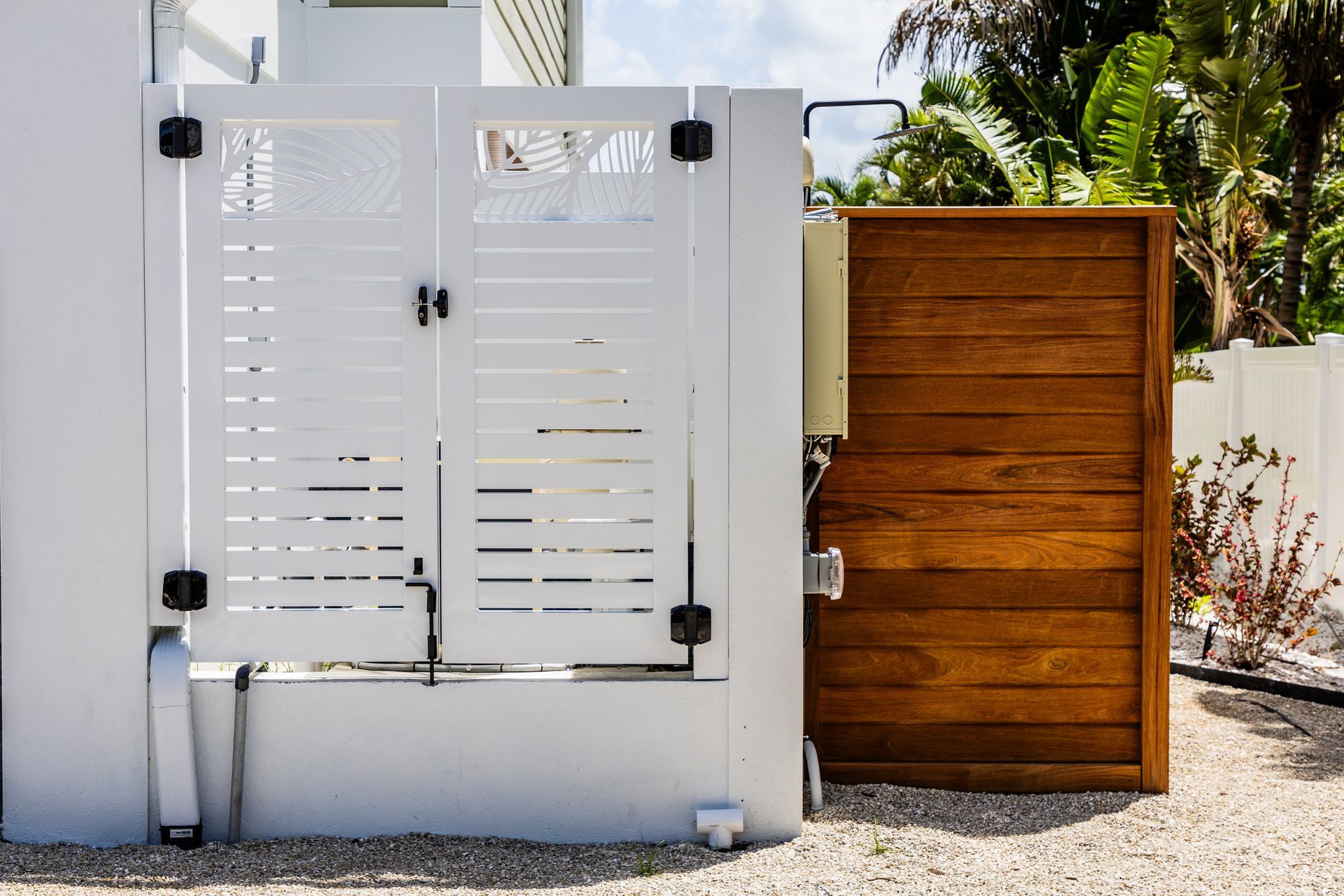
For example, a homeowner may want a custom aluminum gate for privacy and curb appeal. A business owner may need equipment screens to hide outdoor units from public view. A property manager may need railings that look clean and fit the building’s exterior.
At this stage, the fabricator may ask about the purpose of the project, the preferred style, the installation area, the forecasted timeline, and any special requirements.
This step is important because a custom aluminum project should not be treated like a one-size-fits-all product. The design has to work for the actual property.
Step 2: Site Measurement and Assessment
After the initial planning, the next step is measuring the site.
Accurate measurements are one of the most important parts of the aluminum fabrication process. The finished product must fit the exact space where it will be installed.
For a gate, this may include the width of the opening, post placement, ground slope, clearance, and swing direction. For railings, it may include the height, length, mounting points, and alignment. For equipment screens, it may include the size of the equipment area, access needs, and space for airflow or maintenance.
This step also helps the fabricator spot possible issues before the project is built.
There may be uneven ground, tight spaces, existing walls, nearby structures, or access limitations. These details can affect the design and installation.
Good measurement saves time later. It also helps avoid unnecessary adjustments once the finished aluminum product is ready to install.
Step 3: Design and Material Selection
Once the measurements are confirmed, the project moves into design and material selection.
This is where the fabricator decides how the aluminum structure will be built. The design may include the frame size, height, spacing, panel style, finish, and attachment method.
The right material also depends on the project.
Some projects may use aluminum tubing. Others may use sheets, plates, panels, or extrusions. The thickness and shape of the aluminum has to match the purpose of the finished product.
A decorative gate, for example, may have different material requirements than an equipment screen. A railing may need a different profile than a custom frame or panel system.
This stage brings the practical and visual sides of the project together. The finished product needs to look good, but it also needs to function properly.
Step 4: Cutting the Aluminum
After the design has been finalized, the aluminum materials are cut to size.
This may include cutting posts, rails, frames, panels, pickets, or other components. Each piece has to match the project measurements and design.
Precision matters here.
If one part is cut incorrectly, it can affect the rest of the structure. A frame may not line up. A gate may not sit properly. A railing section may look uneven. An equipment screen panel may not fit the way it should.
This is why custom fabrication entails careful work. The finished product depends on each piece being prepared correctly before assembly begins.
Step 5: Shaping, Bending, or Forming
Some aluminum projects require more than straight cuts.
Depending on the design, certain pieces may need to be shaped, bent, or formed. This can be done to create angles, custom details, decorative elements, trim pieces, or frame sections.
This step requires skill because aluminum needs to be handled properly. The goal is to create the needed shape without weakening the material or affecting the final appearance.
For example, a custom gate may include decorative aluminum details. A railing may need angled sections. An equipment screen may need panels or frames designed to fit a specific layout.
The more custom the project is, the more important this stage becomes.
Step 6: Welding and Assembly
Once the pieces are cut and shaped, they are assembled.
This is where the project starts to look like the finished product. Frames are built, joints are connected, and sections are aligned.
Depending on the project, the fabricator may weld the aluminum pieces together or use other fastening methods. The important part is that the structure is properly aligned and assembled according to the design.
For gates, this may include the frame, pickets, panels, or decorative pieces. For railings, it may include posts and rail sections.
For equipment screens, it may include the frame and screen panels.
Welding and assembly affect the strength, appearance, and fit of the final product. Poor assembly can lead to weak joints, visible flaws, or installation problems.
A clean assembly process helps create a product that looks intentional and performs well once installed.
Step 7: Surface Preparation
Before the aluminum is finished, the surface needs to be prepared.
This step may include cleaning, smoothing rough edges, reviewing welds, removing residue, and preparing the material for coating or finishing.
Surface preparation is easy to overlook, but it plays a big role in the final result.
If the surface is not prepared properly, the finish may not look as clean. Rough edges, visible marks, or uneven areas can affect the appearance of the product.
For exterior aluminum projects, the surface preparation also helps support a better finish. This matters for gates, railings, and equipment screens because these products are often visible from the street, driveway, entryway, or outdoor area.
Step 8: Finishing
The finishing stage gives the aluminum its final look.
Depending on the project, the aluminum may be powder coated, painted, anodized, or finished in another suitable way. The finish can affect the color, texture, appearance, and long-term performance of the product.
For Sarasota properties, exterior aluminum products need to be built with outdoor exposure in mind. A proper finish helps the final product look polished while putting a layer of protection.
The finish should also match the property. A black aluminum gate may work well for a modern home. A neutral equipment screen may blend better with a commercial building. Railings may need a clean finish which suits the surrounding exterior.
This is the stage where the project starts to feel complete.
Step 9: Quality Check
Before the product is installed, it should be checked carefully.
The fabricator reviews the measurements, joints, finish, alignment, and overall appearance. If the project has moving parts, such as a gate, those parts should also be checked for proper function.
A quality check may include looking at the frame, welds, edges, finish, hardware, and attachment points.
This step helps spot issues before the product reaches the installation site.
It is much easier to correct a problem during fabrication than to discover it during installation. A careful review helps make sure the finished product is ready for the property.
Step 10: Delivery and Installation
The final step is installation.
Once the aluminum product is fabricated and finished, it is brought to the property and installed in the correct location.
The installation process depends on the type of project.
A custom gate may need posts, hinges, hardware, clearance checks, and alignment. Railings may need secure mounting and proper spacing. Equipment screens may need to be positioned so they hide outdoor equipment while still allowing access for maintenance.
Installation matters because even a well-fabricated product can fail to perform properly if it is not installed correctly.
The final result should fit the space, function as intended, and look like it belongs on the property.
How Long Does Aluminum Fabrication Take?
The timeline for aluminum fabrication depends on the project.
A simple project may take less time. A custom gate, railing system, or equipment screen may require more planning, fabrication, finishing, and installation work. Numerous factors can affect the timeline, including the size of the project, the complexity of the design, the materials needed, the finish selected, the site conditions, and the installation requirements.
The best way to get a realistic timeline is to have the project reviewed by an aluminum fabrication company. Once the details are clear, the company can explain what needs to happen and how long the process may take.
Choosing the Right Aluminum Fabrication Company
Choosing the right fabrication company is just as important as choosing the right material.
A reliable company should understand the full process from planning to installation. They should be able to measure the site, help with design decisions, select the right materials, fabricate the product, apply the finish, and install it properly.
For local projects, it also helps to work with a company familiar with Sarasota properties.
Exterior aluminum work commonly depends on the property layout, outdoor conditions, access points, and the intended use of the structure. A local company can look at the actual site and build around those details.
When comparing aluminum fabrication companies, ask about their process. A company that can clearly explain how they plan, measure, fabricate, finish, and install the project is usually better prepared to handle custom work.
Work With Freedom Aluminum in Sarasota
Freedom Aluminum provides custom aluminum fabrication for homeowners, businesses, contractors, and property owners in Sarasota and nearby areas.
The company works on custom aluminum gates, railings, equipment screens, and other exterior aluminum fabrication projects.
Every project commences with the property and the purpose of the structure. From there, the team can plan the design, take measurements, fabricate the aluminum, finish the product, and install it properly.
Whether you need a custom gate for your home, railings for an outdoor area, or equipment screens for a commercial property, Freedom Aluminum can help you create an aluminum solution built for your space.